The Head scarf or Head-tie has been among the African culture and society way back into the period when the early men walked upon the surface of Africa.  Probably this distinctive material worn over their heads have been seen more as a cultural affliction and less of fashion, but today, the latter is one the major reason while the Head wrap will forever be remembered. Africans generally have their own different headwraps and each has its own name associated with it. In South Africa and Namibia , the african word ‘doek’ (meaning “cloth”) is used for the traditional head covering used among most elderly local women in rural areas. In other parts of the continent, terms like duku ( Malawi ,Ghana ), dhuku ( Zimbabwe ), tukwi ( Botswana ), and Gele ( Nigeria ) are used. The head scarf is used as an ornamental head covering or fashion accessory, or for functionality in different settings. Its uses or meaning can vary depending on the country or religion of those who wear it.
Probably this distinctive material worn over their heads have been seen more as a cultural affliction and less of fashion, but today, the latter is one the major reason while the Head wrap will forever be remembered. Africans generally have their own different headwraps and each has its own name associated with it. In South Africa and Namibia , the african word ‘doek’ (meaning “cloth”) is used for the traditional head covering used among most elderly local women in rural areas. In other parts of the continent, terms like duku ( Malawi ,Ghana ), dhuku ( Zimbabwe ), tukwi ( Botswana ), and Gele ( Nigeria ) are used. The head scarf is used as an ornamental head covering or fashion accessory, or for functionality in different settings. Its uses or meaning can vary depending on the country or religion of those who wear it. The GELE (another name for headscarf in Nigerian) is a traditional Nigerian Headwrap. It is worn during special occasions as an accessory to the traditional ‘iro’ (a wrap-around skirt) and ‘buba’ (a loose fitting blouse) or on an Ankara fabric. Gele is usually made out of heavy or stiff fabric that can be wrapped around the head or probably used to form shapes.
 This GELE are mostly ‘Aso Oke’, an originally ceremonial fabric woven locally in Nigeria and is made up of strands of cotton & silk. Aso Oke is also used to make Iro and Buba, but generally for very special occasions such as wedding dress, traditional birthday parties and other celebrations.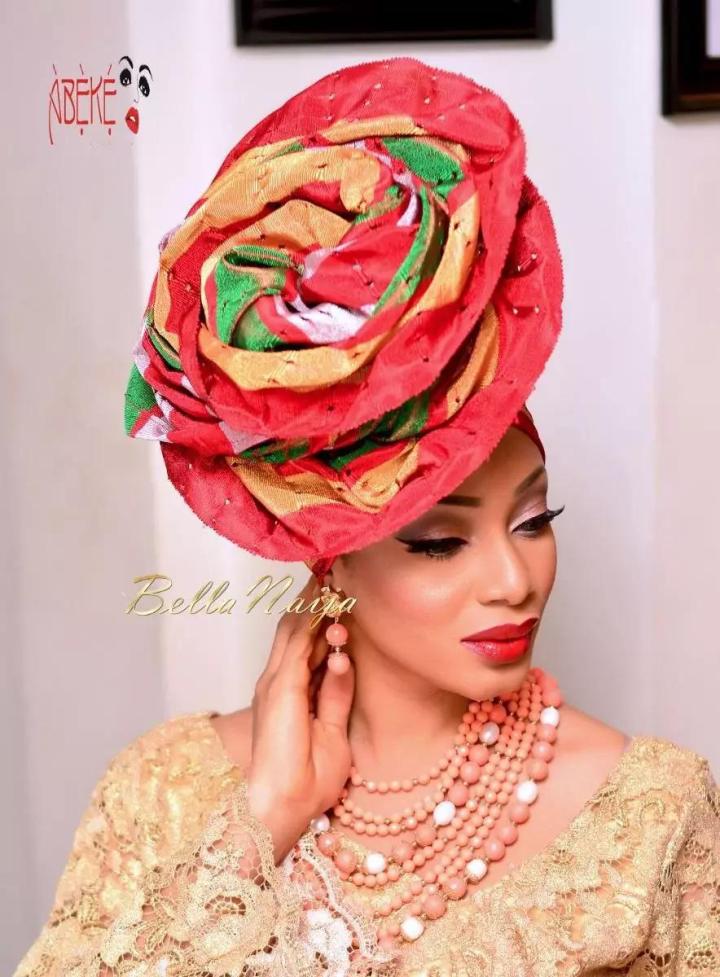
Photo credit: bellanaija
 The sight of seeing a Nigerian woman tying the GELE is a sign of a special upcoming event or occasion. Women always seek the help of their counter part when trying to get these GELE on. After so much time of tying and wraping, the GELE finally stays leaving a ravishing look , The women looking like queens and the gele their crown.
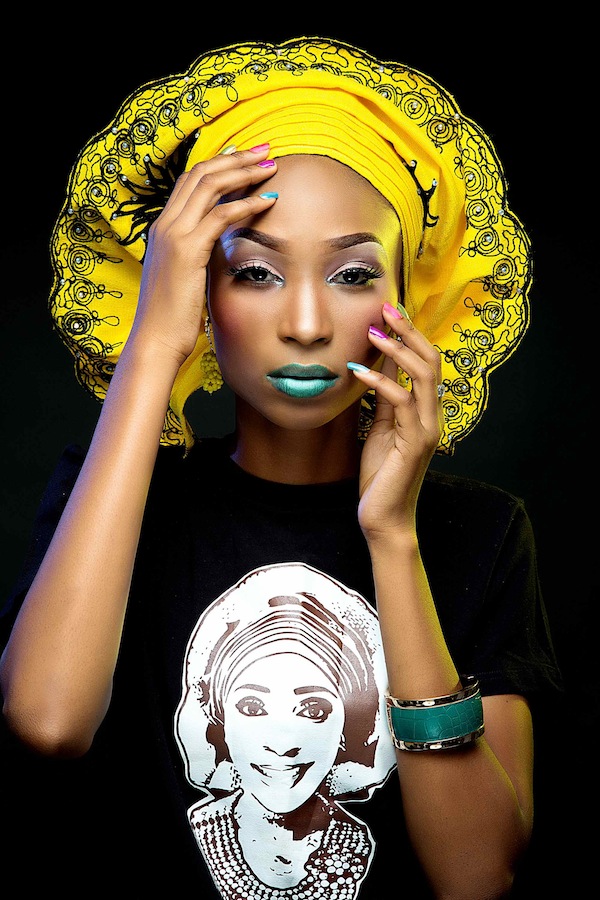 For some women the gele means more than just a head-tie or scarf. To them, It’s the ultimate expression of femininity. The bright shades of the Gele and the glimmering metallics of the aso oke, are responsible for the glamorous look the gele brings, together with it’s empowering and confidence tribute it leaves on the wearer. The gele comes in different types and styles examples are the infinity pleat Ankara gele, the rose gele (known natively as the ascot), the Avant Garde gele known as abeke, the Turban style gelle etc. Other popular gele fabric includes
- Aso-Oke Gele

- Embroidered Gele
- Net-fabric gele, popularly known as Singele or Netted Gele
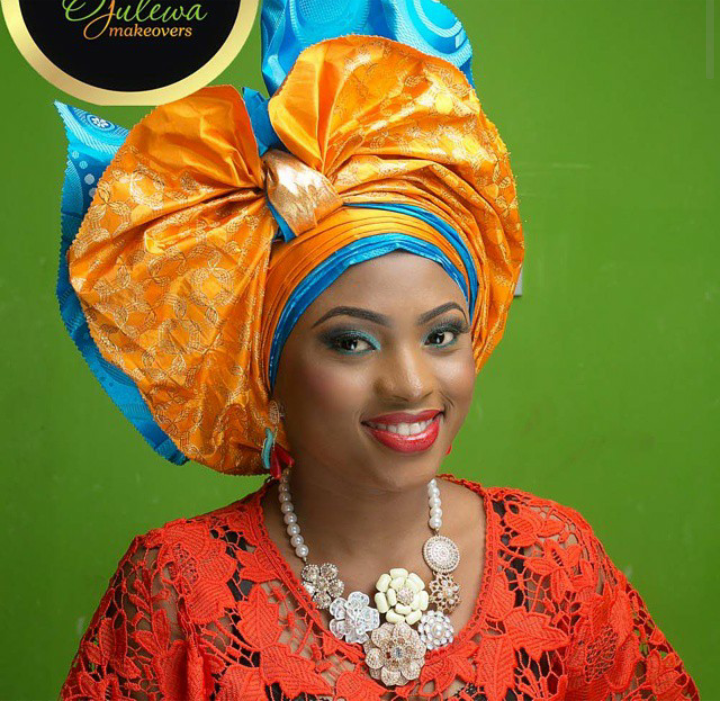
- French lace Gele head-ties
- Sego/ Zego Gele scarfs
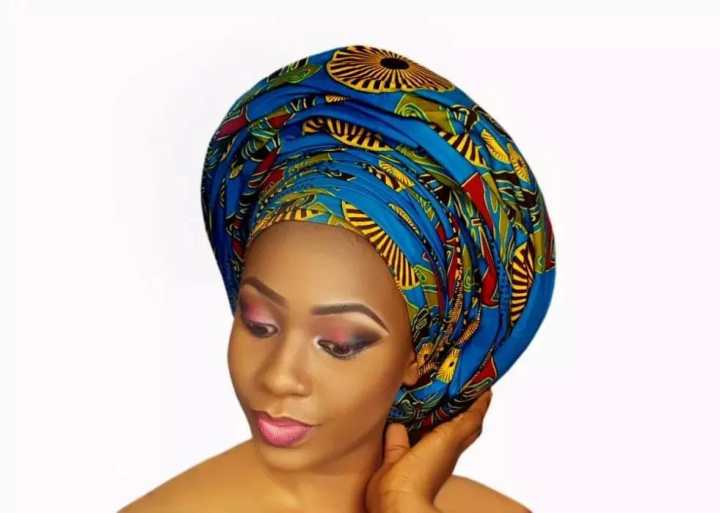
- Damask Gele
- The classic head-scarf brands
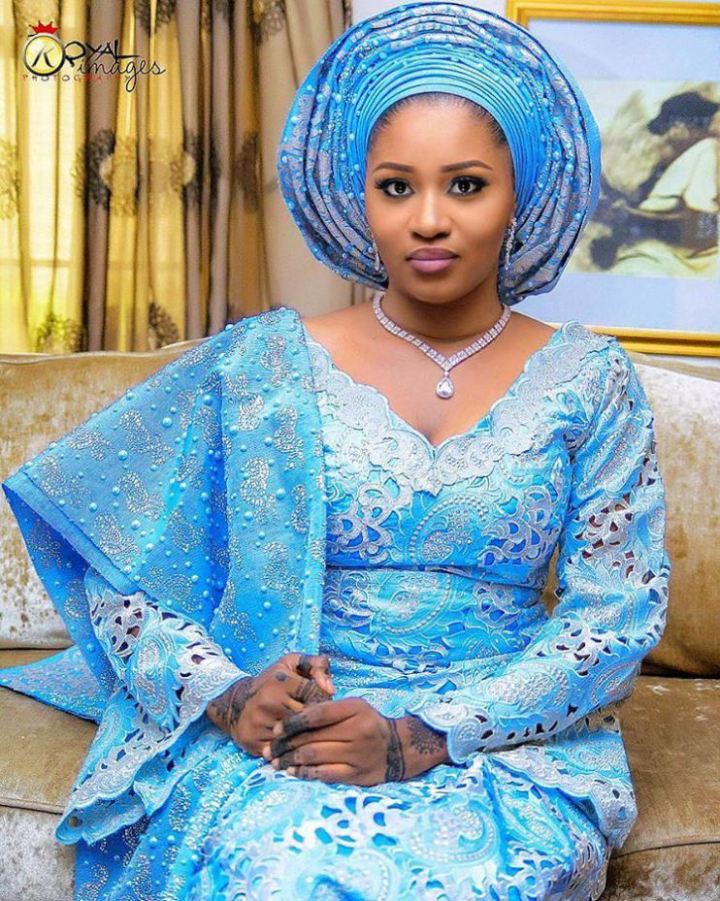
The gelle is a sign of social status and importance. It is in ensence, the Nigerian woman’s crown. Today, the gele, much like Nigerian traditional culture has been revamped rejuvenated and celebrated. This explosion of creativity, combined with our innate cultural pride means that women are not only treating the Gele as an accessory but something more, like the main focus of their attire. With more advance in production, the gele now comes in laser-cut , edge designs, beaded, two-tone effects, Swarovski-encrusted, hand-painted, embroidered, sequinned, polished and lots more, Probably in any design you can think of. Gele tying is now a service provided by most make up artists and salons in Nigeria and across the world.
 The gele is becoming more and more significants both in Nigeria and beyond as more Nigerian women take pride in their culture and traditions, and also have adopted the style due to it’s blend in the current fashion trend & lifestyle in Nigeria. The gele can be outlandish or demure, depending on who is tying it and for what occasion it is being worn.
 With the bold effects of the GELE on the Nigerian woman, there is no doubt that the gele is here to stay!.
What are you waiting for, why not try the gele today?
what’s your take.


 NUe!LL∆